
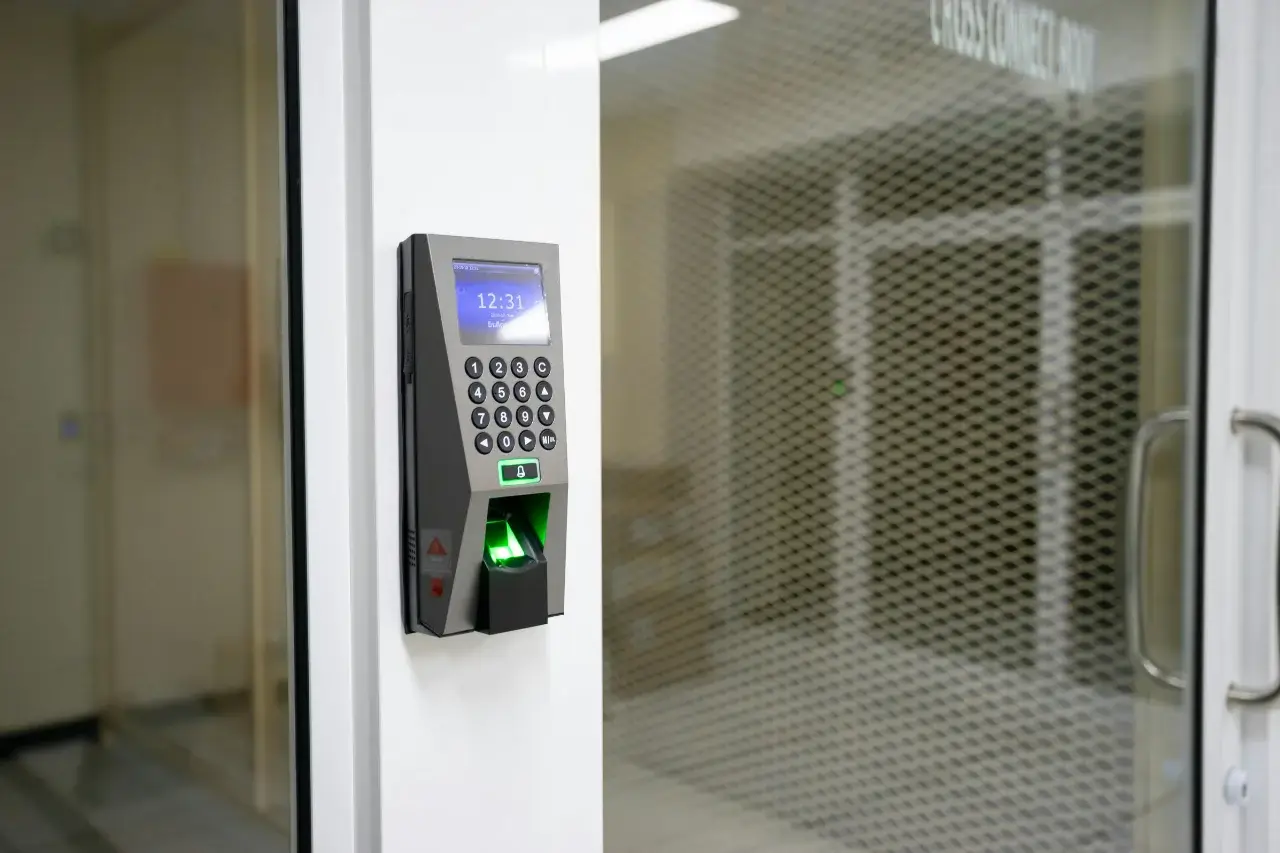
Managing employee attendance accurately is an important part of running a successful business. From small offices to large organizations, companies need reliable ways to record working hours, monitor punctuality, calculate overtime, and maintain accurate attendance records. Traditional methods such as manual registers, attendance sheets, and basic card systems can create unnecessary administrative work and leave room for errors.
A biometric attendance system provides a more modern approach. By using unique biological characteristics such as fingerprints or facial features, biometric machines can identify employees and record their attendance electronically.
For businesses in Pakistan, where companies are increasingly adopting digital HR and workforce management solutions, biometric attendance systems can offer practical benefits. Techstore.pk provides technology solutions for businesses looking to improve workplace management and adopt reliable attendance equipment.
What Is a Biometric Attendance System?
A biometric attendance system is an electronic device designed to record employee attendance using unique biological characteristics.
Depending on the device, employees may verify their identity through:
- Fingerprint recognition
- Facial recognition
- Palm recognition
- Other biometric identification methods
When an employee checks in or checks out, the system records the event digitally. These records can then be used to monitor attendance, working hours, late arrivals, early departures, overtime, and other workforce-related information.
Unlike traditional attendance registers, biometric systems associate attendance records with a specific employee’s biometric identity, making the process more automated and structured.
1. More Accurate Employee Attendance Records
One of the biggest benefits of biometric attendance systems is improved attendance accuracy.
Manual attendance registers require employees or supervisors to record arrival and departure times. This process can lead to mistakes, missing entries, unclear handwriting, or incorrect time records.
Biometric technology reduces many of these problems by automatically recording an employee’s attendance when they verify their identity.
For example, when an employee arrives at the office, they can place their registered finger on a fingerprint scanner or use facial recognition. The system records the employee ID and timestamp electronically.
This can help businesses maintain more organized attendance information.
Why accuracy matters
Accurate attendance records can help HR departments with:
- Daily attendance monitoring
- Working-hour calculations
- Overtime management
- Leave management
- Payroll preparation
- Employee performance monitoring
For companies with a growing workforce, having centralized and accurate attendance data can make administrative processes considerably easier.
2. Helps Reduce Attendance Fraud and “Buddy Punching”
Attendance fraud can become a problem when companies rely on traditional attendance methods.
One common example is “buddy punching,” where one employee records attendance on behalf of another employee. With a paper register or certain traditional identification methods, it may be difficult to prevent this behavior.
Biometric authentication connects the attendance record with the employee’s registered biometric identity.
For instance, if a company uses fingerprint verification, an employee generally needs to provide their registered fingerprint to record attendance. Facial recognition systems can similarly verify the employee’s face.
This creates a stronger connection between the employee and their attendance record.
Better accountability
Biometric attendance systems can encourage employees to follow official working schedules because attendance records are automatically associated with individual users.
This can help companies establish a more accountable workplace environment while reducing opportunities for unauthorized attendance entries.
3. Saves HR Time and Administrative Effort
Managing attendance manually can consume significant time, especially for organizations with many employees.
HR staff may need to:
- Collect attendance records.
- Check employee arrival and departure times.
- Identify late arrivals.
- Calculate working hours.
- Review overtime.
- Process leave information.
- Prepare attendance reports.
A biometric attendance system can automate much of this process.
Instead of manually checking paper records, HR teams can access digital attendance information through compatible software or management platforms. Depending on the system, attendance data may be searchable, downloadable, or integrated into broader workforce management processes.
This allows HR professionals to spend less time on repetitive attendance administration and more time focusing on recruitment, employee engagement, training, and other strategic responsibilities.
Useful for growing companies
The administrative benefits become particularly valuable as a business grows.
A company with 10 employees may manage attendance manually without much difficulty. However, monitoring attendance for 100, 500, or more employees can become significantly more complicated.
Biometric technology provides a scalable approach to attendance management.
4. Improves Workplace Security
Biometric machines can provide benefits beyond attendance tracking.
Because biometric authentication is based on individual physical characteristics, the technology can also support workplace access control in appropriate setups.
For example, a business may use biometric verification to control access to selected areas such as:
- Server rooms
- Records rooms
- Management offices
- Warehouses
- Restricted production areas
- Research and development facilities
The exact capabilities depend on the biometric device and the access-control setup.
By limiting access to authorized employees, businesses can create an additional layer of workplace security.
Attendance and security in one solution
Some business environments benefit from combining employee attendance management with access control.
For example, an employee could use a biometric device to enter an authorized area while the system maintains an associated record. This can help businesses maintain better visibility over access activity.
However, companies should always configure biometric systems according to their operational requirements and applicable privacy and data-protection practices.
5. Makes Payroll and Overtime Management Easier
Payroll calculations often depend on accurate information about employee attendance and working hours.
If attendance data is incomplete or inaccurate, payroll teams may have difficulty calculating:
- Total working hours
- Late arrivals
- Early departures
- Overtime
- Absences
- Shift attendance
- Attendance deductions
A biometric attendance system can provide a digital record of check-in and check-out activity.
This information can help HR and payroll teams review employee working patterns more efficiently.
For companies operating multiple shifts, biometric attendance systems can be particularly useful. Businesses such as factories, warehouses, retail operations, call centers, and other organizations with scheduled shifts may need to monitor attendance across different working periods.
Better attendance visibility
Digital attendance records can also make it easier to identify unusual attendance patterns.
For example, management may notice repeated late arrivals or excessive overtime and investigate the underlying reasons.
This can support better workforce planning and improve operational efficiency.
6. Provides Better Workforce Management and Reporting
Modern businesses need data to make informed decisions. Attendance information can provide useful insights into workforce behavior and operational performance.
Depending on the biometric system and its software capabilities, companies may be able to generate reports covering areas such as:
- Daily attendance
- Monthly attendance
- Absence records
- Late arrivals
- Early departures
- Overtime
- Employee working hours
- Shift information
These reports can help managers understand workforce patterns and identify areas that require attention.
For example, if a department consistently experiences late arrivals, management can investigate whether there is a scheduling, transportation, or workforce issue.
From attendance data to business decisions
The value of a biometric system is not only in recording employee check-ins and check-outs. Its data can support better workforce planning.
Companies can use attendance information to understand staffing requirements, evaluate schedules, improve operational processes, and support HR decision-making.
Why Biometric Attendance Systems Are Important for Pakistani Businesses
Businesses in Pakistan are increasingly moving toward digital systems for HR, accounting, inventory, sales, and workforce management.
Biometric attendance technology fits into this broader digital transformation.
From offices in Lahore and Karachi to factories, schools, warehouses, retail stores, hospitals, and organizations in other parts of Pakistan, businesses can benefit from more structured attendance management.
Local businesses may also have specific requirements related to:
- Large employee numbers
- Multiple shifts
- Attendance and payroll coordination
- Employee punctuality
- Workplace security
- Branch-based operations
- HR reporting
A suitable biometric attendance machine can help address these requirements while reducing dependence on manual attendance processes.
Fingerprint or Facial Recognition: Which Is Better?
There is no single biometric technology that is ideal for every organization.
Fingerprint systems are commonly considered for businesses looking for a straightforward employee verification method. Facial recognition can be useful where touchless identification is preferred.
The right choice depends on factors such as:
- Number of employees
- Number of daily transactions
- Working environment
- Shift structure
- Required identification speed
- Installation location
- Software requirements
- Integration requirements
- Budget
Before purchasing a biometric machine, businesses should consider their actual operational needs rather than choosing a device based only on specifications or price.
How to Choose a Biometric Attendance Machine
Selecting the right machine can have a significant impact on the long-term value of the investment.
Businesses should consider the following factors.
1. Employee Capacity
Check how many employees the device can register. A small office may need a lower-capacity device, while a large company may require equipment designed for hundreds or thousands of users.
2. Identification Method
Determine whether fingerprint, facial recognition, or another biometric method is most suitable for your workforce.
3. Connectivity
Consider how the device will communicate with your HR or attendance software. Depending on the model, connectivity options may include network or other data-transfer methods.
4. Reporting Software
A biometric machine is more useful when its software provides practical attendance reports and employee management features.
5. Environment
For factories, warehouses, outdoor workplaces, or other demanding environments, businesses should consider the device’s durability and operating conditions.
6. Future Requirements
Think about future business growth. A device that works for 50 employees may not be the best choice if the company expects to expand significantly.
Techstore.pk: Biometric Attendance Solutions for Businesses
Choosing the right biometric attendance machine is an important technology investment. Businesses should look for equipment that matches their employee capacity, attendance requirements, working environment, and management needs.
Techstore.pk offers technology products and business equipment for organizations in Pakistan. Companies can explore suitable biometric attendance solutions based on their workforce and operational requirements.
Before purchasing, businesses should evaluate the machine’s features, employee capacity, connectivity, software compatibility, warranty, and after-sales support.
Frequently Asked Questions
1. What is a biometric attendance machine?
A biometric attendance machine is an electronic device that records employee attendance by verifying unique biological characteristics, such as fingerprints or facial features. It can digitally record employee check-in and check-out times.
2. What are the main benefits of biometric attendance systems?
The main benefits include accurate attendance tracking, reduced attendance fraud, lower HR administrative workload, improved workplace security, easier payroll and overtime management, and better attendance reporting.
3. Can biometric attendance systems be used for large companies?
Yes. Many biometric systems are designed to support different employee capacities. Large organizations should select a machine and software solution capable of handling their workforce size and daily attendance transactions.
4. Is fingerprint or facial recognition better for attendance?
Both technologies can be useful. The best option depends on the company’s environment, workforce size, identification requirements, hygiene preferences, budget, and software needs.
5. How can I choose the right biometric machine for my company in Pakistan?
Consider employee capacity, biometric technology, connectivity, software compatibility, reporting features, operating environment, warranty, support, and future business growth. Businesses can explore suitable biometric attendance options from Techstore.pk based on their specific requirements.