
For businesses in Pakistan, managing employee attendance, working hours, overtime, leave records, and payroll can become a time-consuming administrative responsibility. When these processes depend on paper registers, attendance sheets, manual data entry, or spreadsheets, even small errors can create unnecessary work for HR teams and management.
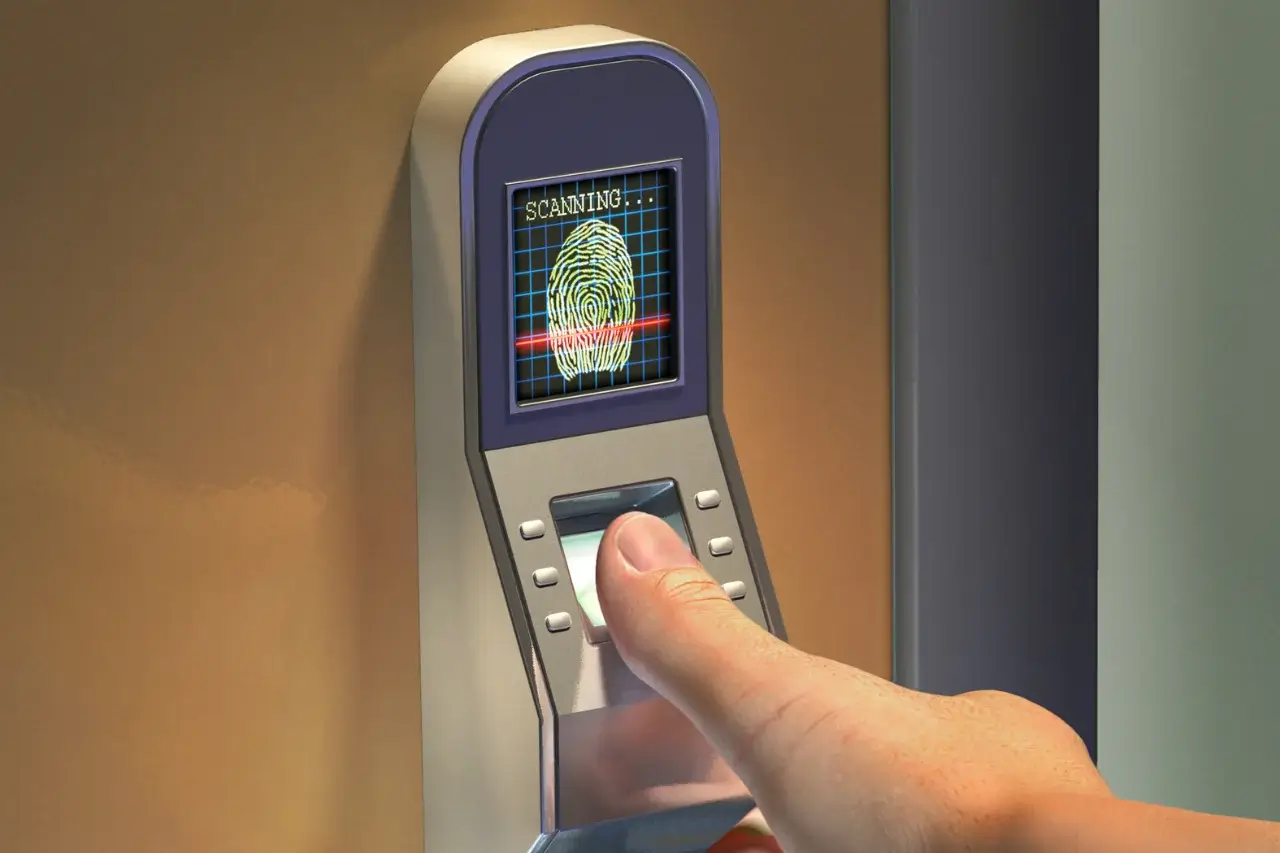
Biometric technology offers a smarter way to manage these everyday tasks. By using unique characteristics such as fingerprints or facial features to identify employees, biometric systems can automatically record attendance and create more accurate workforce records.
For Pakistani businesses, from small offices and retail stores to factories, schools, warehouses, hospitals, and large organizations, biometric attendance systems can reduce repetitive administrative work while improving accountability.
What Is Biometric Technology?
Biometric technology identifies a person using unique physical or behavioral characteristics. In workplace environments, the most common applications include:
- Fingerprint recognition
- Facial recognition
- Iris recognition
- Biometric access control
- Multi-factor identification
Instead of asking employees to sign an attendance register or use a card that another person could potentially use, a biometric system verifies the individual directly.
This makes attendance records more reliable and reduces the amount of manual work required from HR departments.
Modern biometric systems can also connect with attendance management and HR software, allowing employee check-in and check-out information to be transferred into digital records automatically. This creates a more efficient process from attendance tracking to payroll preparation.
Why Traditional Attendance Management Costs Businesses Time
Many Pakistani businesses still use manual attendance registers, Excel spreadsheets, attendance cards, or basic access systems.
Although these methods may appear inexpensive initially, they can create hidden administrative costs.
HR employees may need to:
- Collect attendance information.
- Review missing entries.
- Check late arrivals.
- Calculate working hours.
- Calculate overtime.
- Track absences.
- Verify leave records.
- Prepare monthly attendance reports.
- Resolve attendance disputes.
- Send information to payroll staff.
When a company has dozens or hundreds of employees, these activities can consume significant working hours every month.
Manual records can also contain spelling mistakes, incorrect times, missing entries, duplicate records, and intentional manipulation. Correcting these issues takes additional time.
A biometric system can automate much of this process.
1. Automated Employee Attendance
One of the biggest advantages of biometric technology is automated attendance recording.
When an employee arrives at work, they simply authenticate using a fingerprint or facial recognition system. The device records the employee’s identity and timestamp.
The HR department does not need to manually enter every employee’s arrival and departure information.
This can be particularly useful for companies with large workforces, multiple departments, or multiple shifts.
Instead of spending hours transferring information from attendance registers into spreadsheets, HR teams can work with automatically generated digital records.
This saves time and allows administrative staff to concentrate on more valuable responsibilities.
2. Reduce Attendance Errors
Manual attendance systems are vulnerable to human error.
An employee’s arrival time may be recorded incorrectly, a signature may be difficult to read, or a record may accidentally be missed.
Biometric systems reduce these problems by automatically capturing attendance data.
Accurate time records can help businesses calculate:
- Working hours
- Late arrivals
- Early departures
- Absences
- Overtime
- Short attendance
- Shift attendance
Better data means less time spent checking and correcting attendance records.
3. Prevent Buddy Punching and Time Theft
Another important benefit is improved accountability.
“Buddy punching” occurs when one employee records attendance on behalf of another employee. Traditional attendance cards and some access methods can make this possible.
Biometric identification makes this significantly more difficult because the employee must authenticate using their own biometric characteristic.
This can help companies reduce inaccurate attendance records and improve workforce accountability.
For businesses where payroll is closely connected to working hours, accurate attendance can also help reduce unnecessary payroll leakage.
4. Save HR Administrative Hours
HR departments often spend considerable time preparing attendance reports.
At the end of each month, staff may need to review thousands of entries and manually calculate attendance information.
Biometric technology can reduce this repetitive workload.
A connected attendance system can automatically organize employee records and generate reports based on recorded data.
Instead of manually preparing attendance summaries, HR staff can review digital reports and investigate only exceptions or unusual records.
This changes HR’s role from manual data entry to workforce management and decision-making.
5. Simplify Payroll Preparation
Payroll is another area where biometric technology can create administrative efficiencies.
Employee attendance directly affects salary calculations in many organizations. Late arrivals, overtime, unpaid leave, absences, and short hours may all need to be considered.
When attendance data is digitally recorded, it can potentially be integrated with payroll or HR software.
The result is a more connected process:
Biometric Check-In → Attendance Records → Working Hours → Overtime/Leave → Payroll
This reduces the need to repeatedly enter the same information into different systems.
6. Faster Attendance Processing for Large Workforces
Consider a factory, warehouse, school, hospital, or large office where hundreds of employees arrive around the same time.
A manual attendance process can create queues and require supervisors or administrative staff to monitor attendance.
Biometric systems can streamline the process by allowing employees to authenticate electronically.
For organizations with shift-based operations, this can be particularly valuable.
Managers can receive structured attendance information rather than relying on manually prepared registers.
7. Better Overtime Management
Overtime is another area where manual calculations can create administrative problems.
Employees may work different schedules, shifts, or additional hours. Calculating overtime manually can require HR staff to compare attendance records with company policies.
A suitable biometric attendance system can provide accurate check-in and check-out timestamps that help calculate actual working hours.
This provides management with clearer information when reviewing overtime.
It can also help reduce disagreements because employees and management can refer to recorded attendance data rather than relying entirely on handwritten records.
8. Improve Employee Accountability
Biometric attendance creates a clear record of employee presence.
Employees know that attendance is being recorded automatically, which can encourage better punctuality and compliance with workplace schedules.
For managers, accurate attendance data can provide a clearer picture of workforce availability.
This is especially useful for businesses operating with:
- Multiple shifts
- Large teams
- Multiple departments
- Multiple branches
- Factory workers
- Retail employees
- Warehouse staff
- Security teams
Better attendance visibility can help management identify recurring lateness, absenteeism, and staffing problems.
9. Manage Multiple Branches More Efficiently
Businesses operating in Lahore, Karachi, Islamabad, Faisalabad, Multan, Rawalpindi, Peshawar, and other Pakistani cities may have employees working at different locations.
Managing separate attendance registers for every branch can become complicated.
A properly configured biometric and attendance management solution can centralize workforce information.
Management can potentially monitor attendance across different locations without collecting physical registers from every branch.
This can reduce administrative delays and provide management with faster access to workforce information.
10. Reduce Paperwork and Storage Requirements
Paper-based attendance systems require physical registers, files, printing, storage space, and manual record management.
Over time, these records can become difficult to organize and retrieve.
Digital biometric records can reduce dependence on physical paperwork.
Instead of searching through filing cabinets for historical attendance information, authorized staff can access digital records through the relevant system.
This can improve both operational efficiency and record management.
11. Faster Reporting and Decision-Making
Good business decisions depend on reliable information.
With digital attendance data, managers can analyze workforce patterns more efficiently.
For example, management may want to identify:
- Departments with frequent absenteeism
- Employees with repeated late arrivals
- Overtime trends
- Shift attendance
- Branch-level attendance
- Staffing shortages
- Workforce availability
Digital reporting can make these insights easier to obtain.
Instead of waiting for an HR employee to manually prepare a report, management can work with system-generated information.
12. Biometric Technology Can Support Workplace Security
Biometric technology is not limited to attendance.
It can also be used for access control, helping organizations restrict access to specific areas.
For example, businesses may want to control entry to:
- Server rooms
- Warehouses
- Laboratories
- Record rooms
- Financial departments
- Restricted offices
Because biometric authentication is linked to an individual, it can provide stronger identity verification than simply using a shared key or access card.
13. Choosing Fingerprint or Facial Recognition
Businesses have different operational requirements, so the appropriate biometric technology depends on the workplace.
Fingerprint Biometric Systems
Fingerprint systems are commonly suitable for offices and businesses looking for a straightforward attendance solution.
They can be useful where employees need to record their attendance quickly and the environment is appropriate for fingerprint authentication.
Facial Recognition Systems
Facial recognition offers contactless identification.
This can be useful for organizations that prefer a touch-free attendance process or need to manage large numbers of employees efficiently.
Access Control Systems
Businesses with restricted areas may consider biometric access control alongside attendance management.
The right solution should be selected based on employee numbers, workplace environment, security requirements, connectivity, reporting needs, and integration requirements.
14. Data Privacy Should Be a Priority
Biometric information is sensitive and should be handled responsibly.
Businesses implementing biometric systems should establish clear policies covering:
- Why biometric data is collected
- Who can access it
- How it is protected
- How long it is retained
- Where it is stored
- What happens when an employee leaves
- How employees are informed about its use
Security should be considered during both hardware selection and software implementation.
Businesses should therefore choose solutions that provide appropriate security controls and follow applicable legal and organizational requirements.
15. How Techstore.pk Can Help Pakistani Businesses
For businesses looking to modernize attendance and workforce management, choosing the right biometric hardware is an important first step.
Techstore.pk provides biometric solutions for businesses in Pakistan and helps organizations select equipment according to their operational requirements.
Before purchasing a biometric system, businesses should consider:
- Number of employees
- Number of locations
- Fingerprint or facial recognition requirements
- Attendance software compatibility
- Payroll integration
- Network connectivity
- Data storage
- Reporting requirements
- Backup power requirements
- Warranty and technical support
How Much Can a Company Save?
The exact savings depend on company size, existing HR processes, employee attendance patterns, and the level of automation.
Rather than viewing biometric technology only as a hardware purchase, businesses should calculate the total administrative time currently spent on attendance.
For example, if HR employees spend several hours every week collecting, checking, correcting, and preparing attendance records, automation can reduce a significant portion of that repetitive workload.
Additional savings may come from:
- Reduced paperwork
- Fewer attendance disputes
- Lower manual data-entry requirements
- More accurate overtime records
- Reduced time theft
- Faster payroll preparation
- Better workforce visibility
- Reduced administrative duplication
The return on investment therefore comes not only from reducing direct expenses but also from giving employees more time to perform productive work.
Frequently Asked Questions
1. How does biometric technology save companies time?
Biometric systems automatically record employee check-in and check-out times. This reduces manual attendance entry, report preparation, record checking, and attendance correction, allowing HR teams to spend less time on repetitive administrative work.
2. Can biometric attendance systems help reduce payroll errors?
Yes. Accurate biometric timestamps can provide reliable attendance information for calculating working hours, overtime, late arrivals, and absences. When connected with compatible HR or payroll software, the process can become more automated.
3. Are biometric systems suitable for small businesses in Pakistan?
Yes. Biometric attendance systems can be useful for small offices as well as larger organizations. The appropriate device depends on employee numbers, budget, workplace conditions, attendance requirements, and future expansion plans.
4. Is fingerprint or facial recognition better for employee attendance?
Neither is universally better. Fingerprint systems can be suitable for many conventional workplaces, while facial recognition provides contactless authentication. Businesses should select technology based on their workforce, environment, security requirements, and operational needs.
5. Where can businesses in Pakistan buy biometric attendance systems?
Businesses can explore biometric attendance and access-control solutions through Techstore.pk. The appropriate system should be selected based on workforce size, attendance requirements, software compatibility, security needs, and available technical support.